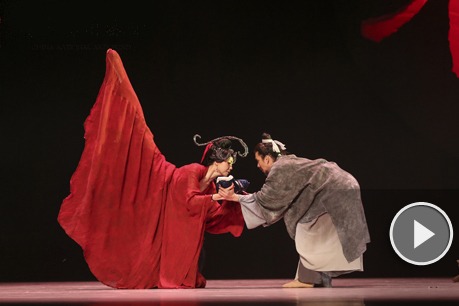
The Orphan of Zhao
Introduction
The Orphan of Zhao is a classic Chinese tragedy play originally written during the Yuan Dynasty (1271-1368) by playwright Ji Junxiang. Often referred to as the Chinese equivalent of Hamlet, it is one of the earliest Chinese plays to be translated into European languages, gaining popularity through adaptations by notable figures such as Voltaire and Goethe. The play explores profound themes of sacrifice, loyalty, vengeance, and justice, encapsulating traditional Chinese values and storytelling techniques. Its enduring significance is reflected in numerous adaptations across various artistic forms including opera, theatre, film, and dance drama.
Historical Background
Set during the Spring and Autumn period (770-476 BC), The Orphan of Zhao was penned in the Yuan Dynasty, a time marked by flourishing arts and literature. This era witnessed a resurgence in Chinese drama with the rise of zaju, a form of theatre characterized by its poetic and musical elements. The story itself is rooted in historical anecdotes and legends, reflecting the profound philosophical and ethical dilemmas faced during tumultuous times in ancient China. The play's integration of historical context and fictional narrative provides insight into the socio-political dynamics and cultural ethos of its time.
Plot Summary
The narrative of The Orphan of Zhao revolves around an intricate tale of betrayal, sacrifice, and redemption. The story begins with the powerful general Tu'an Gu framing and murdering Zhao Dun, a high-ranking official, and massacring nearly the entire Zhao clan. However, the pregnant Zhao daughter-in-law, Princess Zhuangji, survives and gives birth to Zhao Wu, the sole heir. To protect the orphan, the family doctor, Cheng Ying, substitutes his own son, sacrificing him to save Zhao Wu. Raised by Tu'an Gu as his own, Zhao Wu, upon discovering his true lineage, is faced with the moral quandary of avenging his family while confronting the complexities of filial piety and righteousness.
Characters
Main Characters
Cheng Ying: A loyal physician and central figure in the play, Cheng Ying is the embodiment of selflessness and moral integrity. He sacrifices his own son to save Zhao Wu, subsequently raising the orphan with unwavering dedication, yet burdened by the secret of his lineage.
Zhao Wu: The titular orphan, Zhao Wu, grows up under the care of his family’s nemesis, Tu'an Gu, oblivious to his true identity. His journey is marked by his eventual discovery of his origins and the weighty decision to seek justice for his slain family.
Tu'an Gu: The primary antagonist, Tu'an Gu, is a cunning and ambitious general responsible for the Zhao family's downfall. His complex character is depicted as both a ruthless villain and a caring guardian to Zhao Wu, creating a multifaceted portrayal that evokes conflicting emotions.
Supporting Characters
Princess Zhuangji: The mother of Zhao Wu, Princess Zhuangji’s sacrifice and ultimate suicide to protect her son’s identity highlight her tragic bravery and maternal devotion.
Gongsun Chujiu: A noble court official who aids Cheng Ying in his quest to preserve the Zhao bloodline, Gongsun Chujiu represents loyalty to the fallen Zhao clan.
Themes
The Orphan of Zhao delves into themes of loyalty, justice, and sacrifice, examining the moral complexities inherent in these concepts. The play vividly portrays the conflict between personal desires and duties to family and state, exploring the lengths one would go to uphold righteousness. The exploration of human emotions in the face of adversity adds a timeless dimension to the narrative, making it resonate with audiences across different cultures and eras.
Literary Significance
The play holds a distinguished place in Chinese literary history, not only as a pioneering example of Yuan drama but also for its influence on international literature. Its translations by Voltaire and Goethe introduced the story to Western audiences, highlighting its universal themes and contributing to cross-cultural understanding. The richness of its character development and philosophical depth has inspired countless adaptations, cementing its legacy as a significant piece of world literature.
Adaptations
Film and Television
The Orphan of Zhao has been adapted into various films and television productions, each offering unique interpretations of the classic tale. Notable screen adaptations include Chen Kaige's film "Sacrifice" (2010), which provides a contemporary cinematic retelling, emphasizing the emotional and moral dilemmas faced by the characters.
Theatre and Opera
Theatre and opera adaptations have played a crucial role in perpetuating the story's legacy. Noteworthy productions include the Royal Shakespeare Company's English adaptation and numerous Peking Opera renditions, which blend traditional Chinese performance arts with innovative staging techniques. These adaptations have introduced the narrative to diverse global audiences, enhancing its cultural impact.
Cultural Impact
The Orphan of Zhao has profoundly influenced Chinese culture, serving as a symbol of loyalty and righteousness. Its timeless themes have been embraced by various artistic disciplines, from traditional opera to modern dance drama, underscoring its enduring relevance. The story's exploration of moral and ethical dilemmas continues to resonate, offering insights into human nature and societal values.








